Bridging Perspectives
Bridging Perspectives
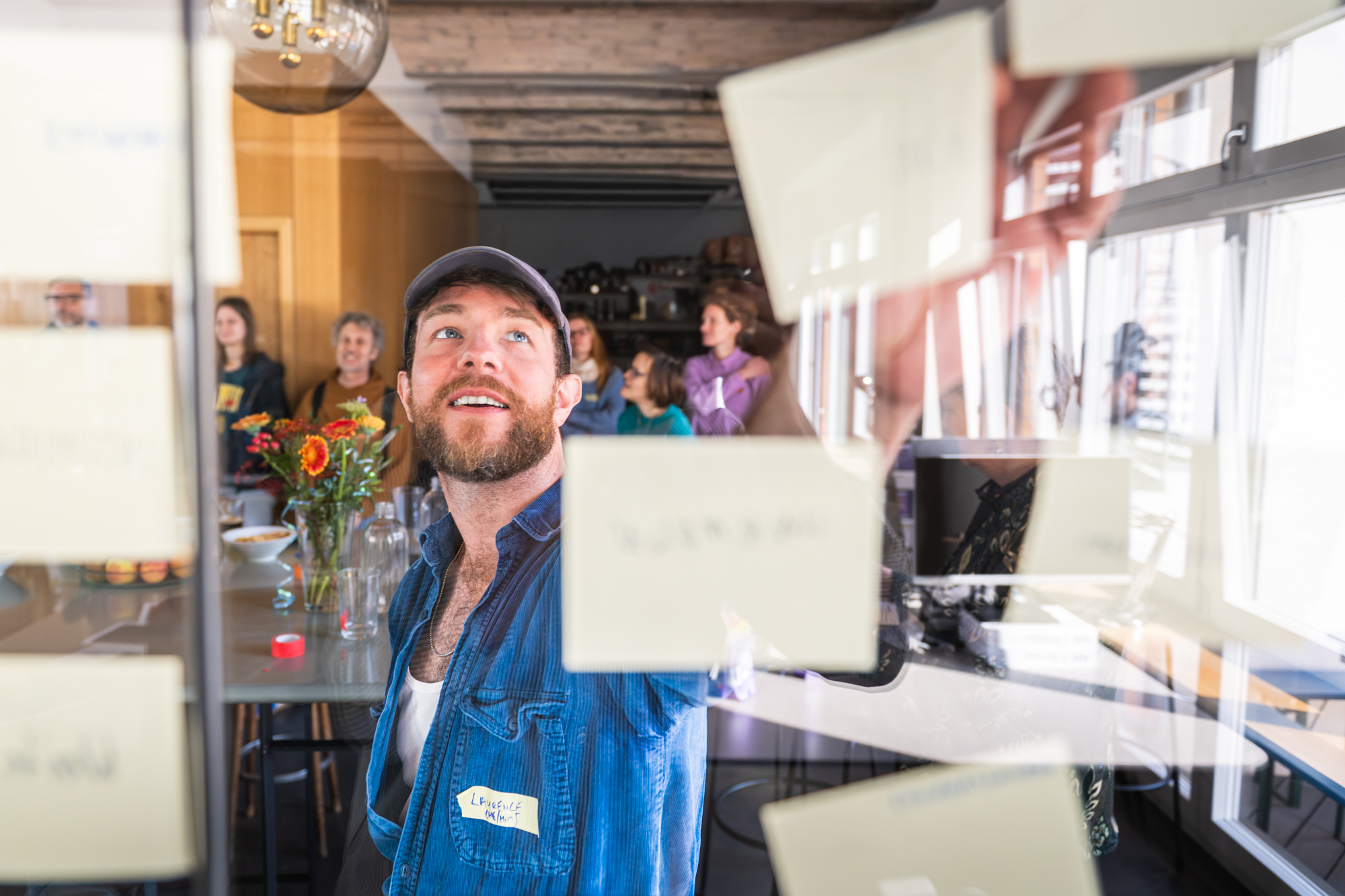
Nature conservation increasingly involves actors from very different backgrounds — NGOs, donor institutions, governments and companies. Each of these communities operates with its own priorities, languages and decision-making processes.
Effective collaboration between them requires more than goodwill. It requires a clear understanding of ecological realities, institutional contexts and the different expectations that shape conservation engagement: conservation outcomes often depend as much on institutional arrangements and governance systems as on ecological conditions.
Our work is rooted in long-standing experience in the NGO conservation sector and scientific training in social and natural sciences. This perspective allows us to translate between different worlds — helping organisations understand each other’s roles, constraints and opportunities.
In this way, we support conservation initiatives that are not only well intentioned, but also well designed, credible and capable of delivering meaningful results.
Nature conservation increasingly involves actors from very different backgrounds — NGOs, donor institutions, governments and companies. Each of these communities operates with its own priorities, languages and decision-making processes.
Effective collaboration between them requires more than goodwill. It requires a clear understanding of ecological realities, institutional contexts and the different expectations that shape conservation engagement: conservation outcomes often depend as much on institutional arrangements and governance systems as on ecological conditions.
Our work is rooted in long-standing experience in the NGO conservation sector and scientific training in social and natural sciences. This perspective allows us to translate between different worlds — helping organisations understand each other’s roles, constraints and opportunities.
In this way, we support conservation initiatives that are not only well intentioned, but also well designed, credible and capable of delivering meaningful results.

Working with Companies
Working with Companies
Is our proposed intervention relevant and meaningful in the first place?
Are we investing our resources in ways that are likely to create real conservation value?
Do local governance structures and livelihood realities support the proposed intervention?
How can we move from isolated projects to a coherent conservation portfolio?
Are there ecological, institutional or reputational risks associated with the concept or the implementation partner?
How can we communicate our engagement in a credible and responsible way?
Is our proposed intervention relevant and meaningful in the first place?
Are we investing our resources in ways that are likely to create real conservation value?
Do local governance structures and livelihood realities support the proposed intervention?
How can we move from isolated projects to a coherent conservation portfolio?
Are there ecological, institutional or reputational risks associated with the concept or the implementation partner?
How can we communicate our engagement in a credible and responsible way?
Overview
Companies increasingly engage in nature conservation — through partnerships with NGOs, support for conservation initiatives, or broader sustainability commitments.
Yet conservation operates in complex ecological and social systems, often in regions and institutional contexts that are unfamiliar to corporate actors. Projects that appear promising at first glance may face ecological limitations, governance challenges or conflicts with local livelihood realities.
Our role is not to advise on regulatory frameworks or ESG reporting. Instead, we provide independent ecological and strategic expertise that helps companies understand how conservation works in practice and where their engagement can make a meaningful and credible contribution.
Building on scientific expertise and long-standing experience in the NGO conservation sector, we help companies engage in conservation in ways that are realistic, credible and grounded in ecological and institutional realities.
Where companies may involve us
Companies seek our expertise at moments when they want to move beyond general commitments and develop credible conservation engagement. This may involve reviewing proposed conservation initiatives linked to emerging nature-based markets — such as reforestation projects in voluntary carbon markets or proposed biodiversity credit schemes — and assessing whether ecological, institutional and livelihood conditions are aligned to support credible outcomes and reduce risks.
Typical situations include:
WHEN companies explore partnerships with conservation organisations
WHEN new conservation initiatives or projects are being considered
WHEN organisations want an independent assessment of proposed conservation activities
WHEN companies seek to understand how their engagement fits into the broader conservation landscape
WHEN conservation initiatives raise ecological, social or reputational questions
What companies gain from this collaboration
Working with us helps companies:
ENSURE that conservation engagement is ecologically meaningful and grounded in sound scientific understanding
IDENTIFY credible implementation partners and realistic opportunities for conservation action
AVOID fragmented or purely symbolic initiatives by developing a more coherent approach to conservation engagement
RECOGNISE potential ecological, institutional or reputational risks at an early stage
DEVELOP initiatives that are robust in practice and able to withstand scientific and public scrutiny
Overview
Companies increasingly engage in nature conservation — through partnerships with NGOs, support for conservation initiatives, or broader sustainability commitments.
Yet conservation operates in complex ecological and social systems, often in regions and institutional contexts that are unfamiliar to corporate actors. Projects that appear promising at first glance may face ecological limitations, governance challenges or conflicts with local livelihood realities.
Our role is not to advise on regulatory frameworks or ESG reporting. Instead, we provide independent ecological and strategic expertise that helps companies understand how conservation works in practice and where their engagement can make a meaningful and credible contribution.
Building on scientific expertise and long-standing experience in the NGO conservation sector, we help companies engage in conservation in ways that are realistic, credible and grounded in ecological and institutional realities
Where companies may involve us
Companies seek our expertise at moments when they want to move beyond general commitments and develop credible conservation engagement. This may involve reviewing proposed conservation initiatives linked to emerging nature-based markets — such as reforestation projects in voluntary carbon markets or proposed biodiversity credit schemes — and assessing whether ecological, institutional and livelihood conditions are aligned to support credible outcomes and reduce risks.
Typical situations include:
WHEN companies explore partnerships with conservation organisations
WHEN new conservation initiatives or projects are being considered
WHEN organisations want an independent assessment of proposed conservation activities
WHEN companies seek to understand how their engagement fits into the broader conservation landscape
WHEN conservation initiatives raise ecological, social or reputational questions
What companies gain from this collaboration
Working with us helps companies:
ENSURE that conservation engagement is ecologically meaningful and grounded in sound scientific understanding
IDENTIFY credible implementation partners and realistic opportunities for conservation action
AVOID fragmented or purely symbolic initiatives by developing a more coherent approach to conservation engagement
RECOGNISE potential ecological, institutional or reputational risks at an early stage
DEVELOP initiatives that are robust in practice and able to withstand scientific and public scrutiny
Working with NGOs & Donors
Working with NGOs & Donors
How can we secure funding while staying focused on the conservation priorities that matter most?
Do our initiatives adequately reflect ecological, institutional and livelihood realities in the landscapes where we work?
Are environmental and social safeguards adequately considered in programme design and implementation?
What can we learn from the implementation of our programmes & projects?
How can evaluation findings better inform future strategy and programme design?
How can we secure funding while staying focused on the conservation priorities that matter most?
Do our initiatives adequately reflect ecological, institutional and livelihood realities in the landscapes where we work?
Are environmental and social safeguards adequately considered in programme design and implementation?
What can we learn from the implementation of our programmes & projects?
How can evaluation findings better inform future strategy and programme design?
Overview
Conservation organisations and donor institutions operate in a highly dynamic and complex field. Ecological priorities evolve, funding landscapes shift, and programmes often need to adapt to changing realities in the field.
We work with NGOs, foundations and donor institutions as an independent expert partner, providing scientific insight, strategic reflection and analytical support.
Our work builds on many years of practical experience with international conservation organisations, combined with a strong scientific background. This allows us to connect socio-ecological understanding with the realities of programme implementation and institutional decision-making.
Where NGOs & Donors may involve us
NGOs and donor institutions often seek our support when strategic reflection or independent assessment is needed.
Typical situations include:
WHEN conservation strategies or programme priorities are being reviewed
WHEN new programmes or funding initiatives are being developed
WHEN organisations seek independent evaluation of projects or portfolios
WHEN organisations want to reflect on lessons learned from implementation
WHEN complex conservation challenges require additional scientific or strategic input
What NGOs & Donors gain from this collaboration
Working with us helps organisations:
SHARPEN strategic priorities and focus limited resources on the most meaningful conservation opportunities
STRENGTHEN the design, coherence and effectiveness of conservation programmes and project portfolios
ENSURE that initiatives adequately reflect ecological, institutional and livelihood realities in the landscapes where they operate
IDENTIFY potential risks and safeguard issues early in programme design and implementation
GENERATE robust learning from project implementation and communicate results and lessons with clarity and credibility
Overview
Conservation organisations and donor institutions operate in a highly dynamic and complex field. Ecological priorities evolve, funding landscapes shift, and programmes often need to adapt to changing realities in the field.
We work with NGOs, foundations and donor institutions as an independent expert partner, providing scientific insight, strategic reflection and analytical support.
Our work builds on many years of practical experience with international conservation organisations, combined with a strong scientific background. This allows us to connect socio-ecological understanding with the realities of programme implementation and institutional decision-making.
Where NGOs & Donors may involve us
NGOs and donor institutions often seek our support when strategic reflection or independent assessment is needed.
Typical situations include:
WHEN conservation strategies or programme priorities are being reviewed
WHEN new programmes or funding initiatives are being developed
WHEN organisations seek independent evaluation of projects or portfolios
WHEN organisations want to reflect on lessons learned from implementation
WHEN complex conservation challenges require additional scientific or strategic input
What NGOs & Donors gain from this collaboration
Working with us helps organisations:
SHARPEN strategic priorities and focus limited resources on the most meaningful conservation opportunities
STRENGTHEN the design, coherence and effectiveness of conservation programmes and project portfolios
ENSURE that initiatives adequately reflect ecological, institutional and livelihood realities in the landscapes where they operate
IDENTIFY potential risks and safeguard issues early in programme design and implementation
GENERATE robust learning from project implementation and communicate results and lessons with clarity and credibility