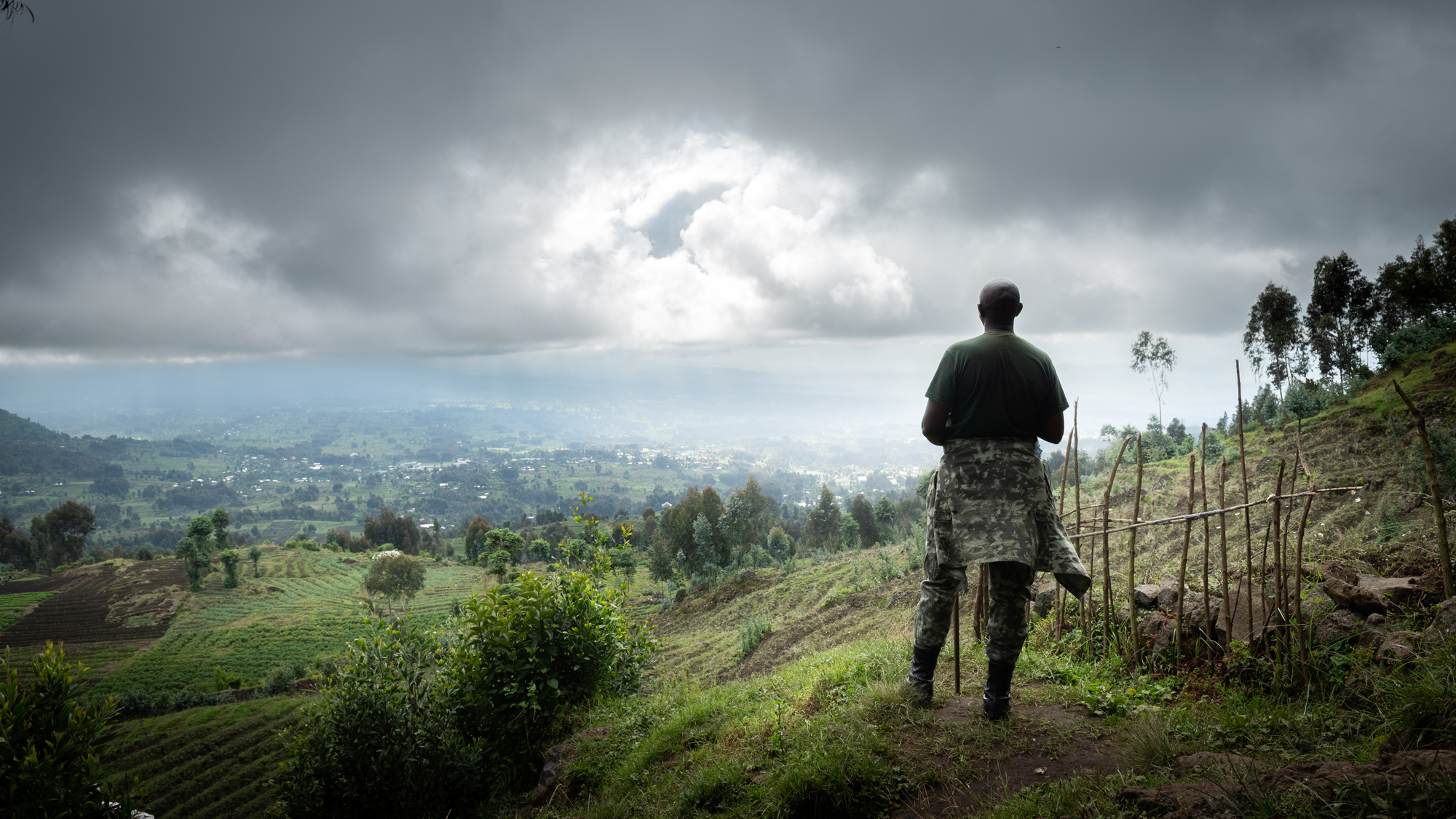
Setting the Direction
Conservation Strategy & Strategic Advisory
Building on scientific expertise and long-standing NGO practice, we provide independent strategic advice that connects ecological knowledge with the practical realities of conservation implementation. The result is strategic direction that is focused, credible and grounded in ecological reality — helping organisations allocate resources more effectively, avoid fragmented engagement and develop conservation activities that stand up to both scientific scrutiny and public expectations.
SPECIFIC SERVICES
STRATEGIC scoping & situation analysis (themes, geographies, actors and constraints)
DEFINING long-term conservation ambitions and realistic strategic objectives
PRIORITY setting across themes, regions and intervention types
STRESS-TESTING strategic assumptions and identifying key trade-offs
DEVELOPING or reviewing conservation strategies and strategic roadmaps
ANALYSING potential partner landscapes and cooperation options
IDENTIFYING strategic risks, blind spots and potential reputational sensitivities
REVIEWING proposed engagements through an environmental and social safeguards perspective, helping identify potential risks and unintended impacts at an early stage
PROVIDING expert input for internal strategic discussions and decision processes
TRANSLATING scientific knowledge and field experience into clear decision options
WHERE THIS EXPERTISE IS TYPICALLY BROUGHT IN
Organisations often seek strategic conservation advice at moments when key decisions need to be made or existing approaches are being reconsidered.
Typical situations include:
WHEN a company considers initiating or expanding engagement in nature conservation and seeks clarity on where meaningful contributions are possible.
WHEN conservation organisations or donor institutions review their strategic priorities and reassess thematic or geographic focus areas.
WHEN existing conservation portfolios have grown organically and require strategic coherence and clearer prioritisation.
WHEN organisations explore new partnerships or collaboration models and need an independent ecological perspective.
WHEN potential conservation initiatives raise ecological, social or reputational questions that require careful assessment before commitments are made.
Setting the Direction
Conservation Strategy & Strategic Advisory
Building on scientific expertise and long-standing NGO practice, we provide independent strategic advice that connects ecological knowledge with the practical realities of conservation implementation. The result is strategic direction that is focused, credible and grounded in ecological reality — helping organisations allocate resources more effectively, avoid fragmented engagement and develop conservation activities that stand up to both scientific scrutiny and public expectations.
SPECIFIC SERVICES
STRATEGIC scoping & situation analysis (themes, geographies, actors and constraints)
DEFINING long-term conservation ambitions and realistic strategic objectives
PRIORITY setting across themes, regions and intervention types
STRESS-TESTING strategic assumptions and identifying key trade-offs
DEVELOPING or reviewing conservation strategies and strategic roadmaps
ANALYSING potential partner landscapes and cooperation options
IDENTIFYING strategic risks, blind spots and potential reputational sensitivities
REVIEWING proposed engagements through an environmental and social safeguards perspective, helping identify potential risks and unintended impacts at an early stage
PROVIDING expert input for internal strategic discussions and decision processes
TRANSLATING scientific knowledge and field experience into clear decision options
WHERE THIS EXPERTISE IS TYPICALLY BROUGHT IN
Organisations often seek strategic conservation advice at moments when key decisions need to be made or existing approaches are being reconsidered.
Typical situations include:
WHEN a company considers initiating or expanding engagement in nature conservation and seeks clarity on where meaningful contributions are possible.
WHEN conservation organisations or donor institutions review their strategic priorities and reassess thematic or geographic focus areas.
WHEN existing conservation portfolios have grown organically and require strategic coherence and clearer prioritisation.
WHEN organisations explore new partnerships or collaboration models and need an independent ecological perspective.
WHEN potential conservation initiatives raise ecological, social or reputational questions that require careful assessment before commitments are made.
Designing what works
Program & Portfolio Design
Strategic ambitions only create impact when they translate into well-designed programmes and realistic implementation structures.
We support organisations in developing conservation programmes and project portfolios that are coherent, scientifically plausible and operationally viable. This includes assessing proposed initiatives, structuring portfolios and identifying partners capable of delivering meaningful conservation outcomes.
Our role is to ensure that conservation engagement is not only well intentioned, but also well designed — connecting strategic ambition with ecological realities and practical implementation.
The result is conservation initiatives that are internally coherent, credible to external stakeholders and capable of delivering lasting impact in complex real-world contexts.
This may also include independent ecological assessments of emerging conservation initiatives — for example examining whether reforestation projects in voluntary carbon markets or proposed biodiversity credit schemes are likely to deliver meaningful conservation outcomes in practice.
SPECIFIC SERVICES
DESIGNING conservation programmes and multi-year initiatives
STRUCTURING thematic or geographic project portfolios
ASSESSING proposed conservation projects for ecological plausibility and feasibility
REVIEWING project concepts and identifying potential design weaknesses
CONDUCTING independent project due diligence prior to funding or partnership decisions
ANALYSING implementation structures and governance arrangements
IDENTIFYING suitable implementation partners and collaboration models
REVIEWING proposed initiatives through an environmental and social safeguards perspective
ENSURING alignment between strategic objectives, activities and expected outcomes
ADVISING on programme architecture and long-term portfolio coherence
WHERE THIS EXPERTISE IS TYPICALLY BROUGHT IN
Organisations often seek this type of support when conservation engagement moves from strategic ambition to concrete programme design and implementation planning.
Typical situations include:
WHEN organisations develop new conservation programmes or funding initiatives.
WHEN companies explore partnerships with NGOs and need an independent assessment of proposed projects.
WHEN donor institutions review project pipelines and seek expert input on ecological plausibility and programme coherence.
WHEN existing project portfolios have grown over time and require restructuring or clearer strategic alignment.
WHEN organisations want to ensure that proposed conservation initiatives are robust, credible and feasible before committing significant resources.
WHEN organisations consider conservation initiatives linked to emerging nature-based markets — such as reforestation projects in voluntary carbon markets or proposed biodiversity credit schemes — and seek an independent view on whether ecological, institutional and livelihood conditions are aligned to support credible outcomes and reduce risks
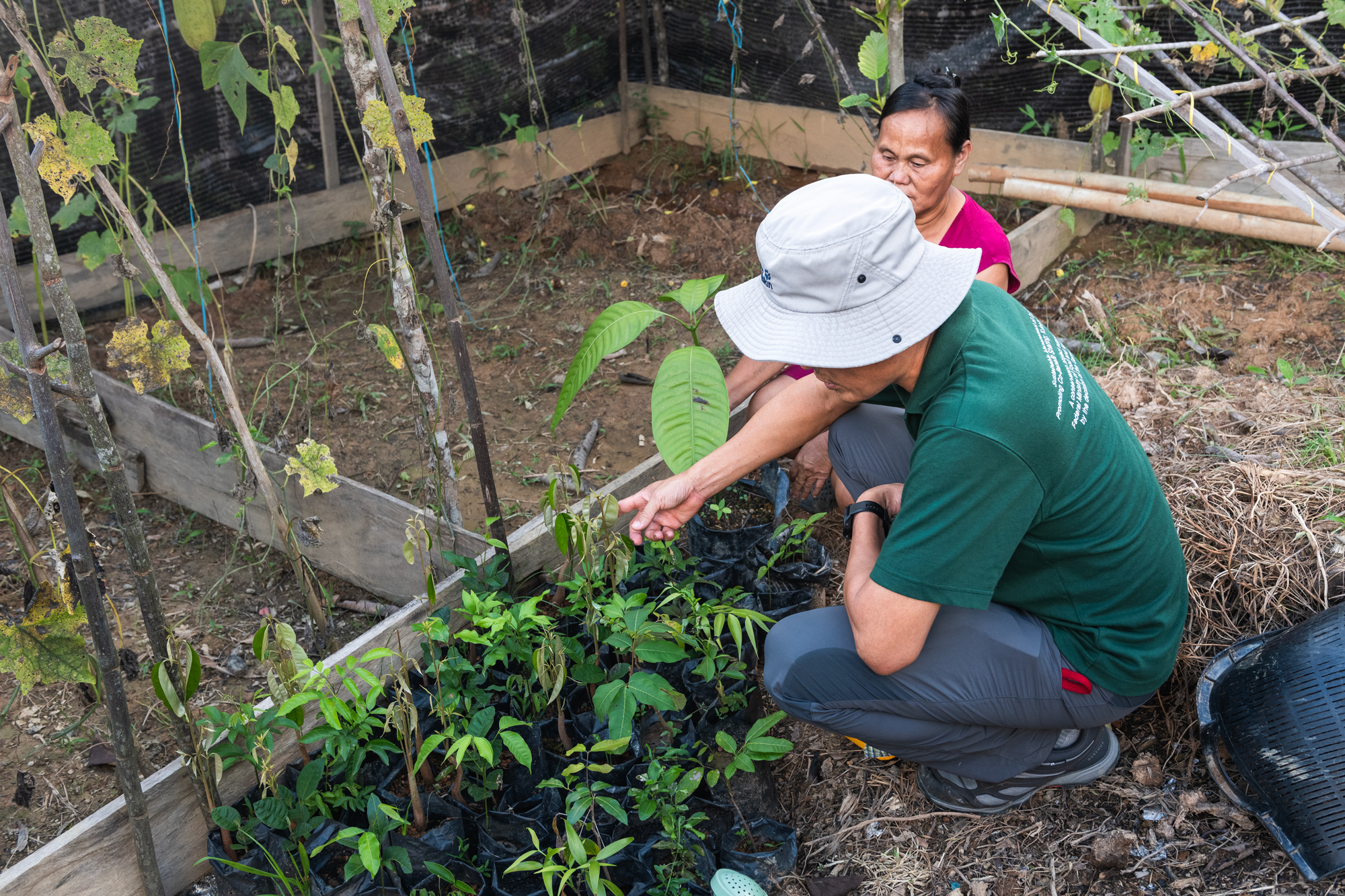
Designing what works
Program & Portfolio Design
Strategic ambitions only create impact when they translate into well-designed programmes and realistic implementation structures.
We support organisations in developing conservation programmes and project portfolios that are coherent, scientifically plausible and operationally viable. This includes assessing proposed initiatives, structuring portfolios and identifying partners capable of delivering meaningful conservation outcomes.
Our role is to ensure that conservation engagement is not only well intentioned, but also well designed — connecting strategic ambition with ecological realities and practical implementation.
The result is conservation initiatives that are internally coherent, credible to external stakeholders and capable of delivering lasting impact in complex real-world contexts.
This may also include independent ecological assessments of emerging conservation initiatives — for example examining whether reforestation projects in voluntary carbon markets or proposed biodiversity credit schemes are likely to deliver meaningful conservation outcomes in practice.
SPECIFIC SERVICES
DESIGNING conservation programmes and multi-year initiatives
STRUCTURING thematic or geographic project portfolios
ASSESSING proposed conservation projects for ecological plausibility and feasibility
REVIEWING project concepts and identifying potential design weaknesses
CONDUCTING independent project due diligence prior to funding or partnership decisions
ANALYSING implementation structures and governance arrangements
IDENTIFYING suitable implementation partners and collaboration models
REVIEWING proposed initiatives through an environmental and social safeguards perspective
ENSURING alignment between strategic objectives, activities and expected outcomes
ADVISING on programme architecture and long-term portfolio coherence
WHERE THIS EXPERTISE IS TYPICALLY BROUGHT IN
Organisations often seek this type of support when conservation engagement moves from strategic ambition to concrete programme design and implementation planning.
Typical situations include:
WHEN organisations develop new conservation programmes or funding initiatives.
WHEN companies explore partnerships with NGOs and need an independent assessment of proposed projects.
WHEN donor institutions review project pipelines and seek expert input on ecological plausibility and programme coherence.
WHEN existing project portfolios have grown over time and require restructuring or clearer strategic alignment.
WHEN organisations want to ensure that proposed conservation initiatives are robust, credible and feasible before committing significant resources.
WHEN organisations consider conservation initiatives linked to emerging nature-based markets — such as reforestation projects in voluntary carbon markets or proposed biodiversity credit schemes — and seek an independent view on whether ecological, institutional and livelihood conditions are aligned to support credible outcomes and reduce risks
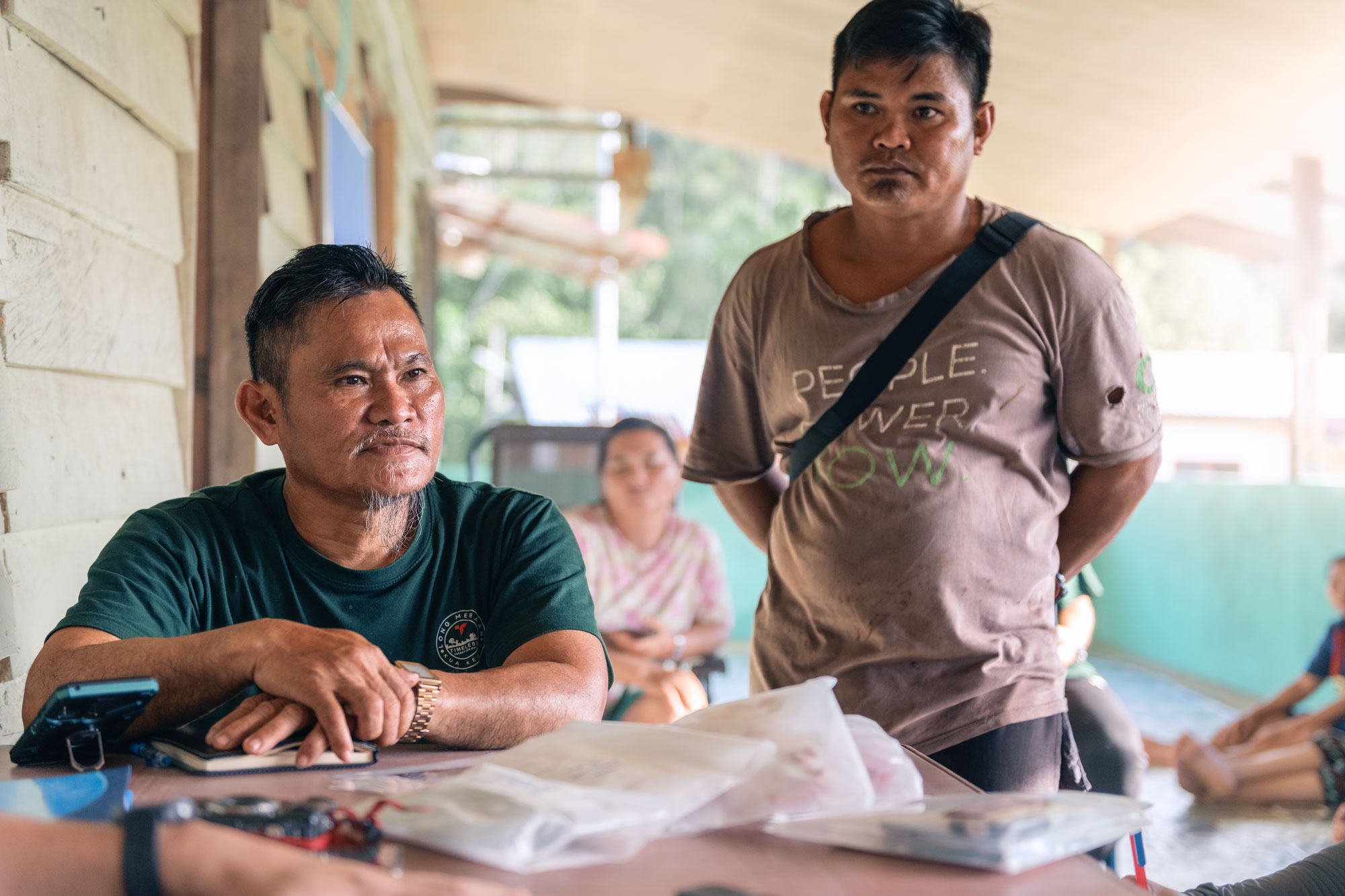
Learning from Practice
Evaluation, Monitoring & Learning
Conservation takes place in complex ecological and social systems where outcomes are often uncertain and long-term. Effective conservation therefore requires continuous reflection, evidence and adaptation.
We support organisations in assessing how programmes and projects perform in practice, identifying what works, what does not, and why. Our approach combines scientific rigour with a practical understanding of conservation implementation.
Rather than treating evaluation as a reporting exercise, we focus on generating insights that inform strategic decisions, strengthen programme design and support adaptive management over time.
The result is a clearer understanding of conservation effectiveness and a stronger basis for learning, accountability and long-term impact.
SPECIFIC SERVICES
INDEPENDANT evaluations of conservation projects and programmes
PORTFOLIO-LEVEL reviews of conservation initiatives
ASSESSING ecological effectiveness and the plausibility of intervention strategies
REVIEWING underlying assumptions, risks and implementation challenges
ANALYSING whether activities contribute to intended conservation outcomes
IDENTIFYING lessons for future programme design and strategic decision-making
SUPPORTING the development of monitoring, evaluation and learning frameworks
ADVISING on adaptive management approaches in complex conservation contexts
WHERE THIS EXPERTISE IS TYPICALLY BROUGHT IN
Organisations typically seek this expertise when they want to better understand the effectiveness of their conservation work and use this knowledge to inform future decisions.
Typical situations include:
WHEN organisations review the performance of conservation programmes or project portfolios.
WHEN donor institutions require independent assessments of funded initiatives.
WHEN organisations want to learn from past projects before scaling or expanding activities.
WHEN conservation strategies or programmes are being revised and evidence from past implementation is needed.
WHEN organisations aim to strengthen learning and adaptive management across their conservation work.
Evaluation, Monitoring & Learning
Learning from Practice
Conservation takes place in complex ecological and social systems where outcomes are often uncertain and long-term. Effective conservation therefore requires continuous reflection, evidence and adaptation.
We support organisations in assessing how programmes and projects perform in practice, identifying what works, what does not, and why. Our approach combines scientific rigour with a practical understanding of conservation implementation.
Rather than treating evaluation as a reporting exercise, we focus on generating insights that inform strategic decisions, strengthen programme design and support adaptive management over time.
The result is a clearer understanding of conservation effectiveness and a stronger basis for learning, accountability and long-term impact.
SPECIFIC SERVICES
INDEPENDANT evaluations of conservation projects and programmes
PORTFOLIO-LEVEL reviews of conservation initiatives
ASSESSING ecological effectiveness and the plausibility of intervention strategies
REVIEWING underlying assumptions, risks and implementation challenges
ANALYSING whether activities contribute to intended conservation outcomes
IDENTIFYING lessons for future programme design and strategic decision-making
SUPPORTING the development of monitoring, evaluation and learning frameworks
ADVISING on adaptive management approaches in complex conservation contexts
WHERE THIS EXPERTISE IS TYPICALLY BROUGHT IN
Organisations typically seek this expertise when they want to better understand the effectiveness of their conservation work and use this knowledge to inform future decisions.
Typical situations include:
WHEN organisations review the performance of conservation programmes or project portfolios.
WHEN donor institutions require independent assessments of funded initiatives.
WHEN organisations want to learn from past projects before scaling or expanding activities.
WHEN conservation strategies or programmes are being revised and evidence from past implementation is needed.
WHEN organisations aim to strengthen learning and adaptive management across their conservation work.
Communicating with Substance
Strategic Communication & Documentation
Credible conservation engagement requires communication that is both accurate and meaningful. Complex ecological realities, long time horizons and uncertain outcomes make it essential to communicate conservation work with clarity and integrity.
We support organisations in articulating their conservation goals, approaches and results in ways that are scientifically grounded, strategically coherent and accessible to different audiences.
Our work focuses on conveying conservation efforts with both factual precision and narrative clarity — helping organisations communicate not only what they do, but why it matters and how it contributes to meaningful conservation outcomes.
Where appropriate, we complement analytical work with visual documentation through photography and film, capturing conservation work in ways that are both emotionally engaging and firmly rooted in ecological reality.
SPECIFIC SERVICES
TRANSLATING complex conservation strategies and programmes into clear narratives
PREPARING briefing materials and strategic communication content
SUPPORTING evidence-based reporting on conservation initiatives
DEVELOPING case studies of conservation projects and programmes
DOCUMENTING conservation work through photography and film
CREATING visual and written materials that convey conservation outcomes and lessons learned
ENSURING coherence between conservation strategy, programme implementation and public communication
WHERE THIS EXPERTISE IS TYPICALLY BROUGHT IN
Organisations typically seek this type of support when communicating conservation work requires both scientific accuracy and narrative clarity.
Typical situations include:
WHEN organisations want to communicate conservation strategies or programmes to external audiences.
WHEN donor institutions or foundations wish to document and share the results of conservation initiatives.
WHEN companies communicate their engagement in nature conservation and seek credible, substance-based narratives.
WHEN conservation projects are documented for learning, reporting or public engagement.
WHEN organisations wish to translate complex ecological work into compelling and accessible stories.

Communicating with Substance
Strategic Communication & Documentation
Credible conservation engagement requires communication that is both accurate and meaningful. Complex ecological realities, long time horizons and uncertain outcomes make it essential to communicate conservation work with clarity and integrity.
We support organisations in articulating their conservation goals, approaches and results in ways that are scientifically grounded, strategically coherent and accessible to different audiences.
Our work focuses on conveying conservation efforts with both factual precision and narrative clarity — helping organisations communicate not only what they do, but why it matters and how it contributes to meaningful conservation outcomes.
Where appropriate, we complement analytical work with visual documentation through photography and film, capturing conservation work in ways that are both emotionally engaging and firmly rooted in ecological reality.
SPECIFIC SERVICES
TRANSLATING complex conservation strategies and programmes into clear narratives
PREPARING briefing materials and strategic communication content
SUPPORTING evidence-based reporting on conservation initiatives
DEVELOPING case studies of conservation projects and programmes
DOCUMENTING conservation work through photography and film
CREATING visual and written materials that convey conservation outcomes and lessons learned
ENSURING coherence between conservation strategy, programme implementation and public communication
WHERE THIS EXPERTISE IS TYPICALLY BROUGHT IN
Organisations typically seek this type of support when communicating conservation work requires both scientific accuracy and narrative clarity.
Typical situations include:
WHEN organisations want to communicate conservation strategies or programmes to external audiences.
WHEN donor institutions or foundations wish to document and share the results of conservation initiatives.
WHEN companies communicate their engagement in nature conservation and seek credible, substance-based narratives.
WHEN conservation projects are documented for learning, reporting or public engagement.
WHEN organisations wish to translate complex ecological work into compelling and accessible stories.